
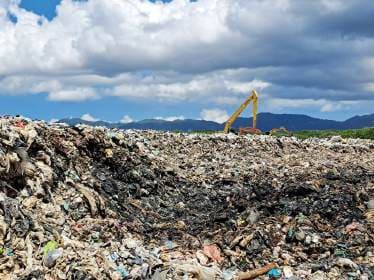
A useful audit connects material type, volume, cost, separation quality, and site constraints instead of reporting tonnage alone.
More data does not automatically mean better decisions
Many organizations have waste-volume reports but still cannot identify which stream creates the greatest cost or offers the most practical first move. An audit should begin with questions that connect evidence to decisions.
Useful figures need a consistent unit, time period, source, and owner so results can be compared before and after a change.
The five core numbers
Use the same small set across locations and time periods, then add detail where a high-potential stream appears.
- Average daily or monthly volume by waste type
- Contamination rate in each target recovery stream
- Total collection, transport, disposal, and incident cost
- Space and staff time used to store and move waste
- Current destination and the value or constraints of each material stream
Prioritize impact and feasibility together
Score each stream for cost, risk, consistency, separation quality, and site readiness. The largest stream is not always the best starting point when contamination is high or no suitable destination exists.
A focused pilot with a clear boundary, measurable outcomes, and an accountable owner often produces better evidence than changing the entire system at once.
Turn evidence into action
Ask GOO to assess your site information and frame an approach that fits your operation.